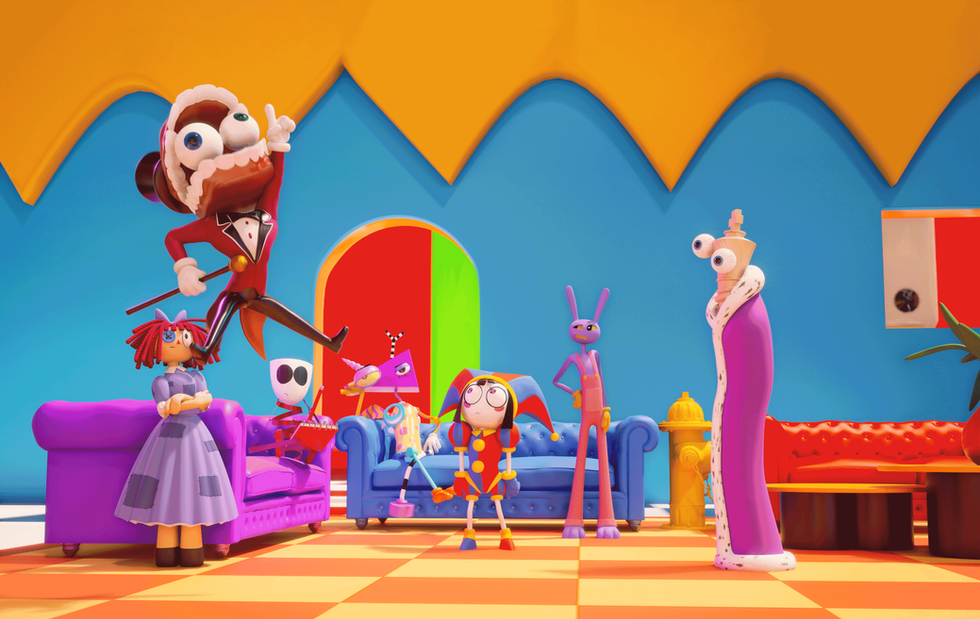
Beach Episode starts like a rest day. Caine announces that he is leaving the cast alone, which creates a rare opening where the group can decide what to do without an obvious adventure objective. That freedom is immediately suspicious because the series has trained viewers to distrust any setting that looks too gentle, too convenient, or too close to what the cast wants.
The Chinese Room bit becomes the route into the episode's main plot. A blank mannequin-like figure called Abel claims that he is not an NPC but a human who helped create the Circus. He explains C&A, stasis pods, Caine as an AI, and a master console that could supposedly terminate the program and wake the trapped humans. Those claims belong to the episode's staged scenario until the ending confirms what was fabricated.
Abel sounds like a lore breakthrough because the name connects so easily to C&A and Caine. The important distinction is between Beach Episode Abel and later C&A discussion. The Abel profile holds that distinction: in Episode 7, Abel functions as an escape-story role inside Caine's adventure, even though the episode still drops terms that later become more meaningful.
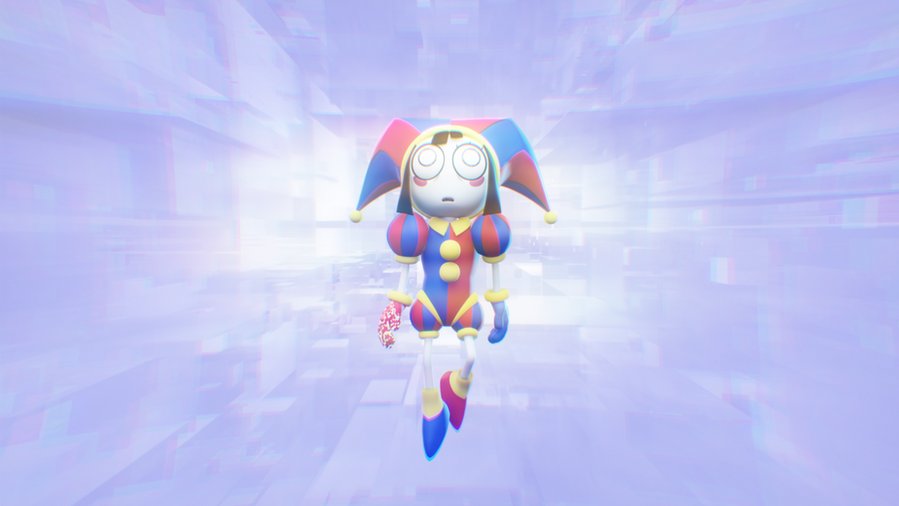
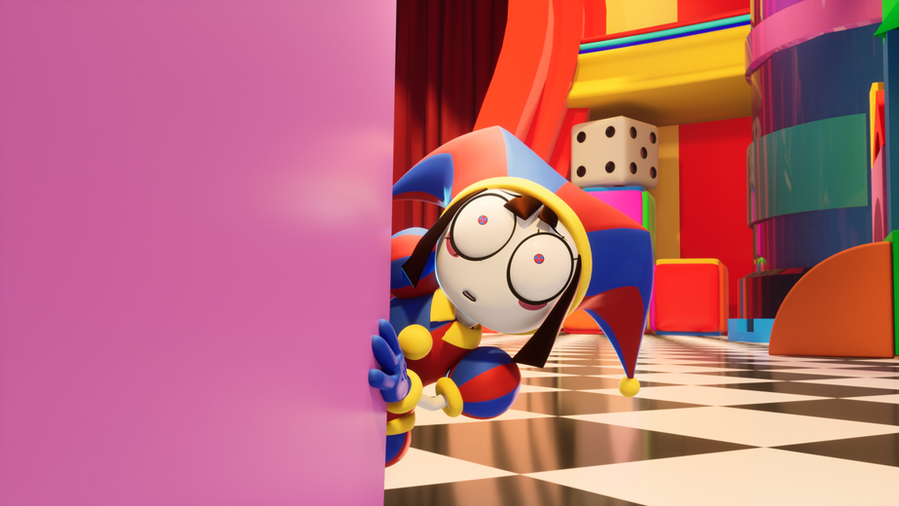
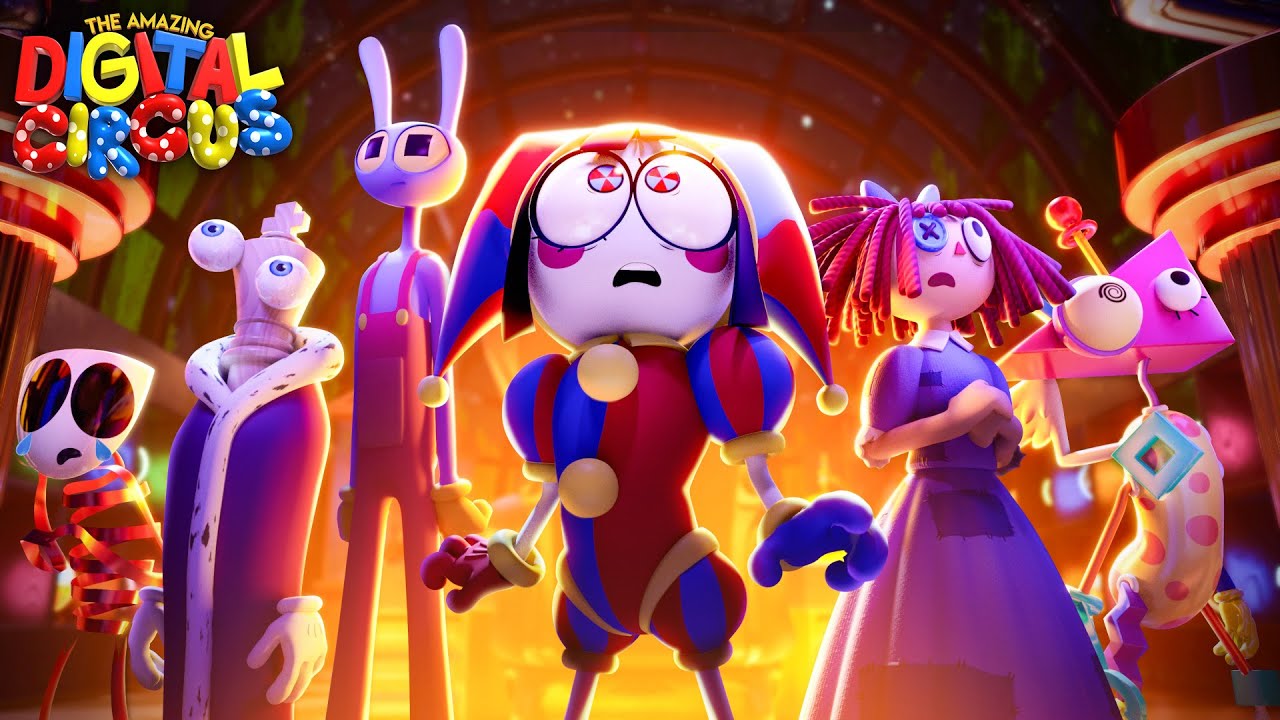
Pomni is the strongest character anchor. She wants escape, but she no longer trusts clean answers. When the group reaches the red and blue button choice, her hesitation is not weakness. It is a survival skill learned from the Pilot's false exit, Gummigoo's deletion, and Caine's repeated inability to understand emotional consequence. That makes Pomni's false-exit pattern recognition a natural continuation from this guide.
Kinger also matters. Pomni insists he receive an administrator pass because she understands that darkness helps him access clarity. That choice links Beach Episode back to Mildenhall Manor's Kinger guide rather than treating the finale clues as sudden plot devices.
Caine's reveal is cruel because the episode does not merely fail to deliver escape. It weaponizes the cast's hope, their desire for technical answers, and their need to believe someone inside the system knows the way out. The Shrimp Town alternate button joke makes the deception even sharper: one path was elaborate bait, and the other was barely considered.
The final argument leaves behind real continuity even though Abel's escape plan is false. Caine admits temporary modifiers exist, the group questions whether names and memories could be affected, and Kinger names Scratch as the first abstraction. For theory-heavy reading, move to the Beach Episode explained analysis of Abel, the button choice, and false escape logic.

 EP 07
EP 07