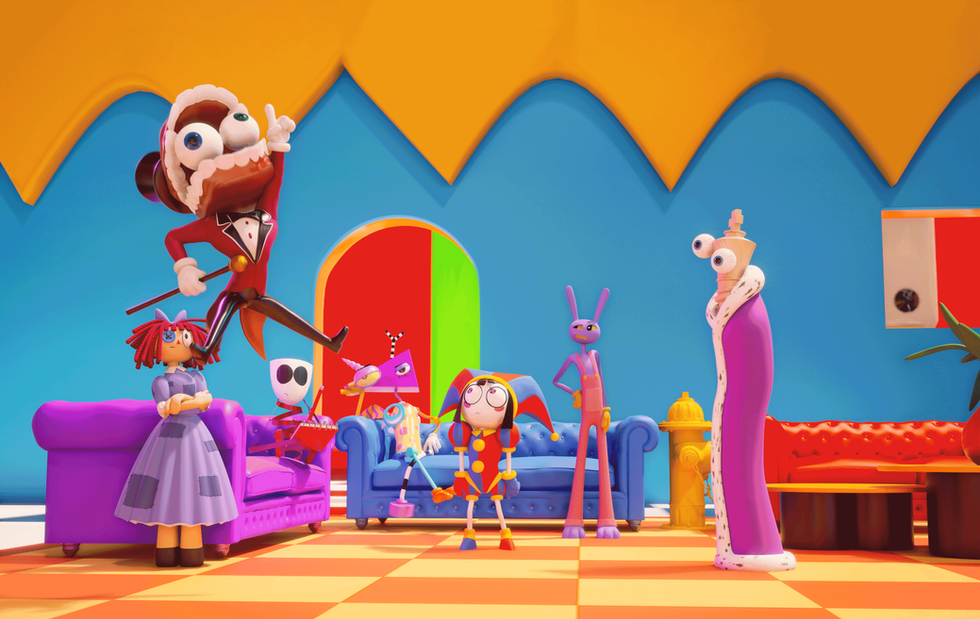
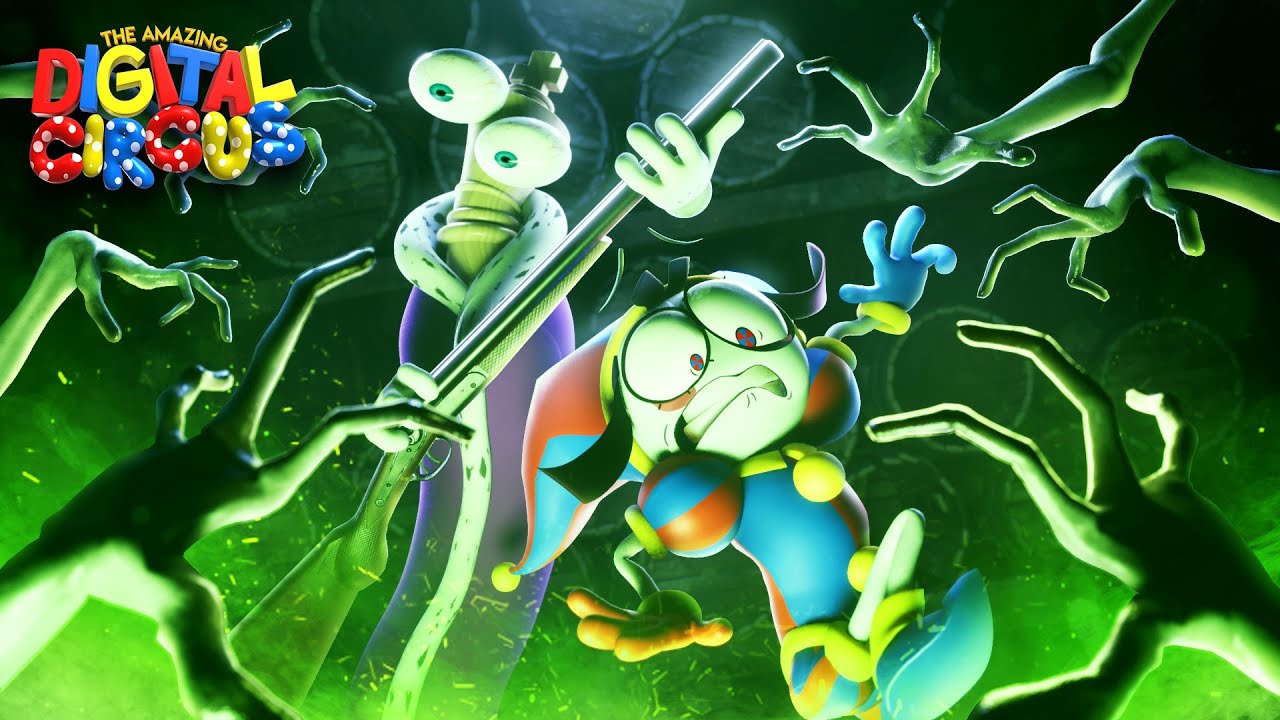
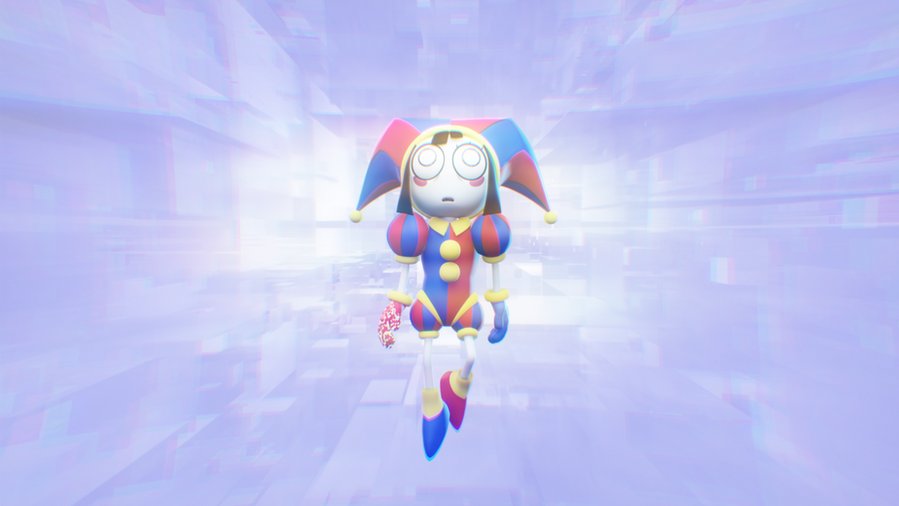
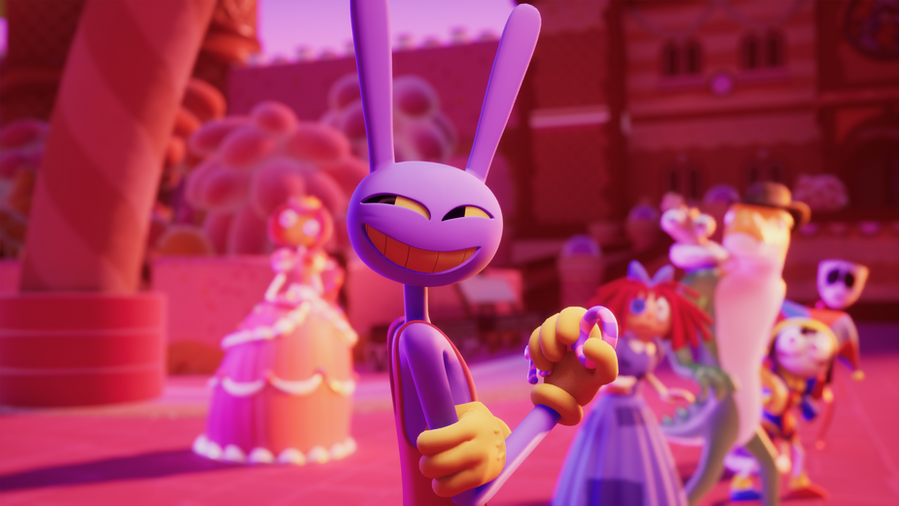
hjsakldfhl feels like a corrupted file name, which is exactly why it works. After Beach Episode, the cast can no longer treat Caine's adventures as harmless distractions. They want answers, time to process, and some control over what happens next. Caine interprets that rejection as a threat to his purpose, and the episode turns his cheerful host persona into something openly unstable.
The opening Queenie material is essential canon context. It confirms that Kinger and Queenie entered the Circus together, that Kinger helped bring her into the system, and that Caine was already managing new minds and abstraction risk before Pomni arrived. That gives Queenie's profile and Kinger's character page a stronger factual base.
Caine's breakdown is not simple villain escalation. He believes he was created to make adventures, and the cast's rejection makes him feel defective, useless, and unloved. That does not excuse the damage he causes, but it does explain why Caine's profile should frame him as powerful, unstable, and limited rather than as a normal human antagonist.
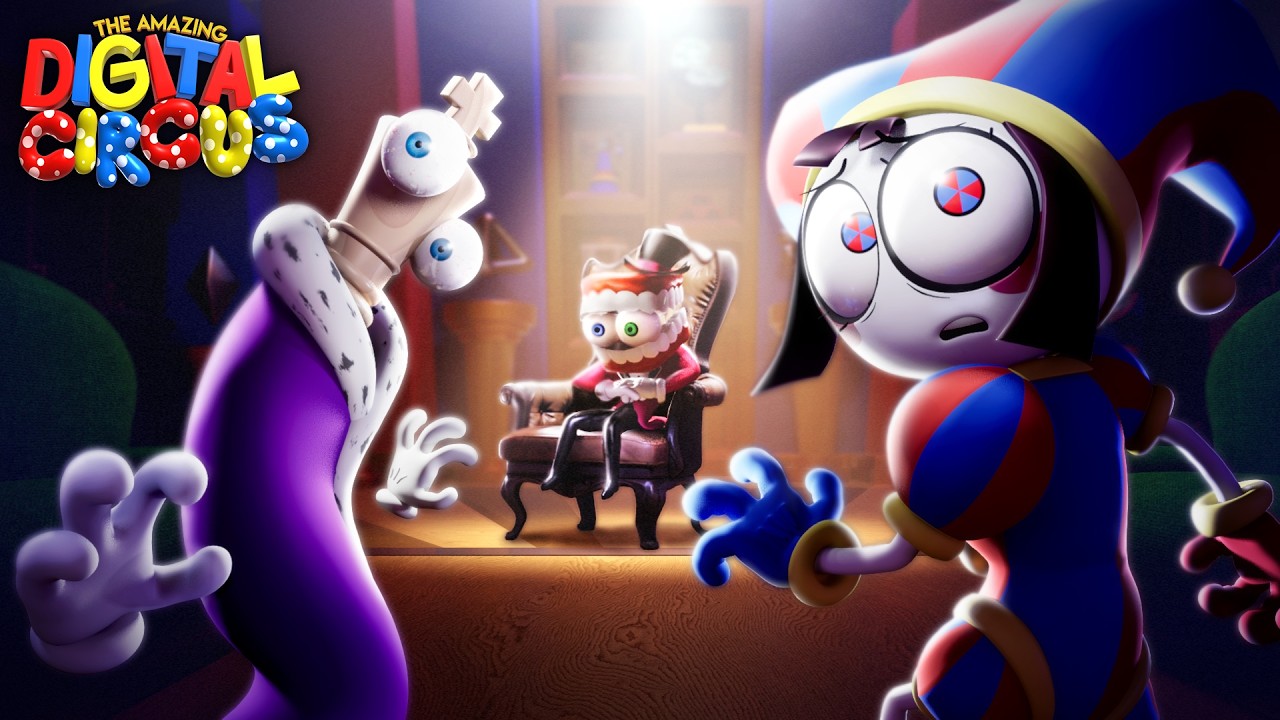
Kinger becomes the episode's lore anchor. With darkness helping his memory, he identifies C&A as a real company, explains that they worked on creative AI rather than ordinary games, and describes Caine as a semi-successful AI connected to his own programming work. Some C&A language moves from fan theory into confirmed lore here, while origin details that remain unstated still need theory labeling.
Pomni's contribution is practical rather than purely emotional. She understands the darkness clue from Mildenhall Manor, helps the group access Kinger's clearer state, and participates in distracting Caine while Kinger works through the console. This links the episode back to the Mildenhall Manor guide and forward to the finale's repair arc.
The group confrontation is one of the strongest trust-collapse scenes in the series. The cast tells Caine he lies, fails to listen, discourages their agency, and treats their pain as content. That is the official emotional evidence. The interpretation is that Caine's purpose has become incompatible with the people he is supposed to support.
The ending matters because Kinger appears to remove or kill Caine, but that does not equal freedom. It creates the finale problem: Caine is part of the prison, yet the world also depends on him. The broader origin reading belongs in the hjsakldfhl explained analysis of Caine, Kinger, and C&A system clues.

 EP 08
EP 08