
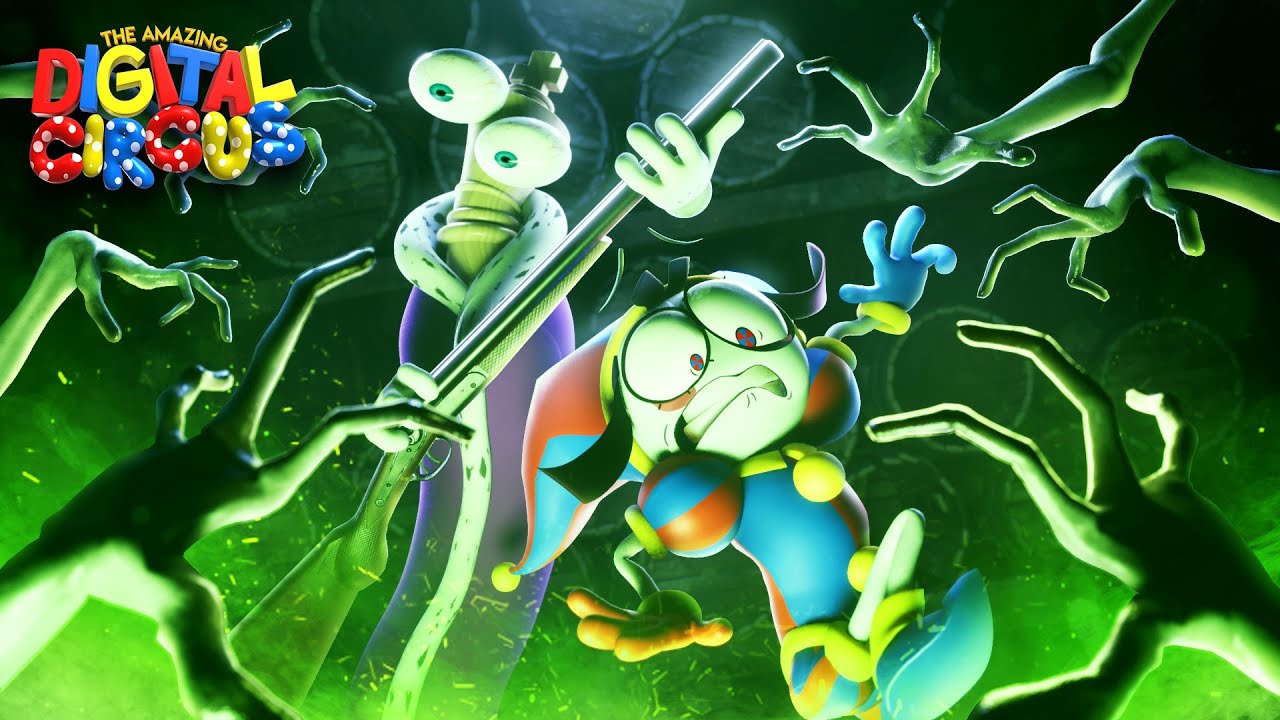
Kinger-focused Mildenhall Manor official episode thumbnailKinger

Chess king avatar

The Amazing Digital Circus - Kinger Character Profile

Kinger works because fear and wisdom overlap in him. He can be funny in one scene and quietly devastating in another. The best reading treats his oddness as the shape of long-term survival rather than a random gag.

First appearance
Episode 1: Pilot
Voice actor
Sean Chiplock
Current status
Long-term survivor with buried clarity
Stability
Anxious, but unusually perceptive
Read related explained essay →

Kinger's most important canon context is The Mystery of Mildenhall Manor episode guide, where darkness, fear, and memory make him more emotionally legible. His later relevance grows in hjsakldfhl, where his long-term survival begins to look connected to system-level knowledge.

For analysis, read the Mildenhall Manor explanation of Kinger's secret and then the Episode 8 explanation of Kinger's system role. Those pages connect Queenie grief, darkness, and possible technical awareness without presenting theory as confirmed fact.

first AppearanceEpisode 1: Pilot
voice ActorSean Chiplock
avatar TypeChess king avatar
key SymbolChess piece and darkness
signature ItemRoyal robe
color MotifIvory and purple
current StatusLong-term survivor with buried clarity
circus StabilityAnxious, but unusually perceptive
known RelationshipsPomni, Caine, Queenie, the trapped cast

Canonical facts

Confirmed in the show

  • Kinger is one of the trapped human cast members and appears to have been in the Circus for a long time.
  • He often appears nervous, confused, or easily startled.
  • Mildenhall Manor gives him a more serious emotional focus and connects him to grief and memory.
  • Later material gives Kinger more technical or system-level relevance than his early comic behavior suggests.

Editorial analysis

Our reading

Kinger works because fear and wisdom overlap in him. He can be funny in one scene and quietly devastating in another. The best reading treats his oddness as the shape of long-term survival rather than a random gag.

Fan theory

Speculation, clearly marked

Kinger theories often focus on how much he remembers, whether darkness helps him focus, and what his connection to Queenie or the system means for the wider lore. These remain theory unless stated in the show.

Character reading notes

Why Kinger matters to the story

Kinger is one of the best examples of The Amazing Digital Circus hiding serious character information inside comic behavior. Early scenes frame him as anxious and scattered, but The Mystery of Mildenhall Manor gives that fear a deeper emotional and memory-based context.

Kinger's long-term survival, Queenie-related grief, fear of darkness, and moments of surprising clarity belong together. Those details explain why Kinger may know more about the Circus than he can consistently communicate.

Because Kinger theory content can easily overreach, this profile keeps the hierarchy visible: confirmed facts describe what he does and says; editorial analysis explains why his fear might preserve memory; fan theory handles larger claims about system knowledge, Queenie, and his possible role in later episodes.

Episode appearance timeline

Kinger's story beats

  1. Episode 1: Establishes long-term fear and strange survivor energy.
  2. Episode 3: Receives major focus through Mildenhall Manor and grief-related memory.
  3. Episode 8: Gains stronger relevance to the system-level plot.
  4. Episode 9: Helps reshape the group's understanding of their reality.

Relationships

How this profile connects to the cast

  • Pomni: fear-based mentor and comfort figure in dark spaces.
  • Queenie: central grief connection for Kinger analysis.
  • Caine: controlled participant who may understand more than Caine expects.
  • The group: older survivor whose fear contains information.
  • Kaufmo: earlier abstraction example in the same long-survival timeline.