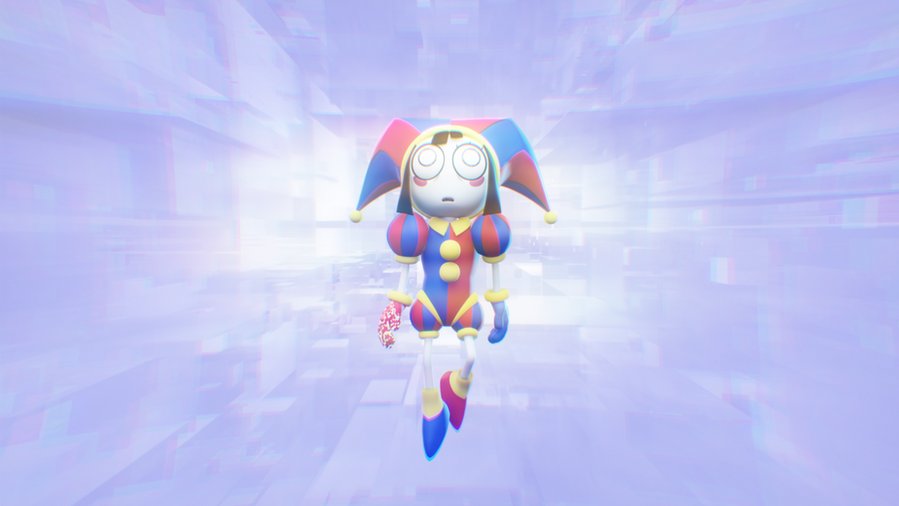
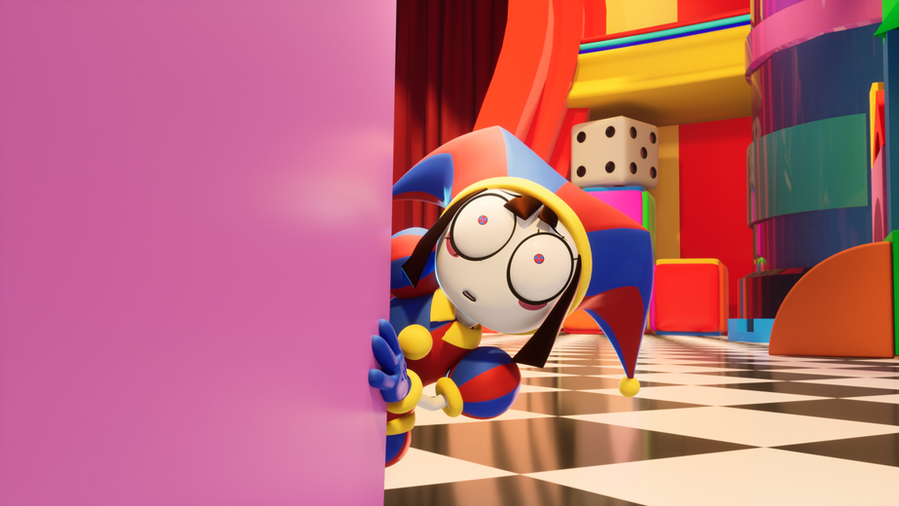
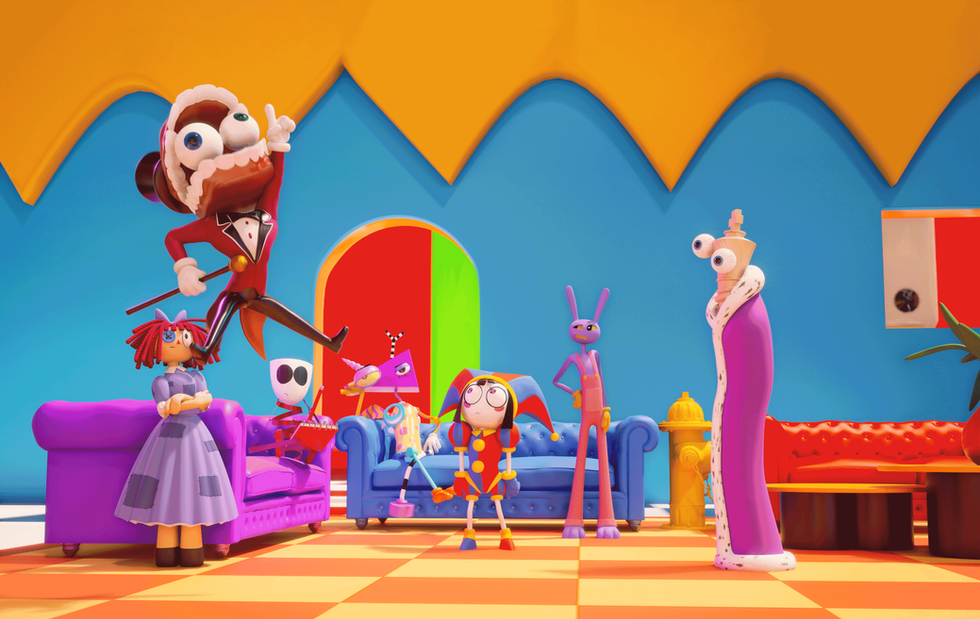
Official YouTube thumbnail for The Amazing Digital Circus Episode 3 The Mystery of Mildenhall ManorEP 03

Episode 03 · Official companion

The Amazing Digital Circus - Episode 3 The Mystery of Mildenhall Manor Guide

Release
Oct 4, 2024
Runtime
24:43
Views
105M+
Status
Haunted clarity

The Mystery of Mildenhall Manor uses horror structure to reveal Kinger's grief and lucidity, while Zooble's parallel material clarifies why forced participation can become its own kind of distress.

Created, written, directed, and scored by Gooseworx

Read explained companion →

Official Episode

Watch the original animation

Quick Context

What this episode is really about

Mildenhall Manor is about fear becoming memory. The haunted-house structure gives Kinger the space to become lucid, protective, and emotionally legible, while Zooble's side material clarifies why refusing Caine's adventures can be rational.

Episode 3 is the first major genre shift. It proves the series can move into horror while deepening character psychology instead of simply changing scenery.

Plot Overview

The Mystery of Mildenhall Manor in our own words

The Mystery of Mildenhall Manor begins with the cast testing how their digital bodies react to oxygen deprivation, which is a small but important reminder: they may not die normally, but fear still feels real. Caine then presents a ghost-hunting adventure with two routes, a safer normal door and a mature scary door. Jax's impatience and Kinger's accident push Pomni into the darker path.

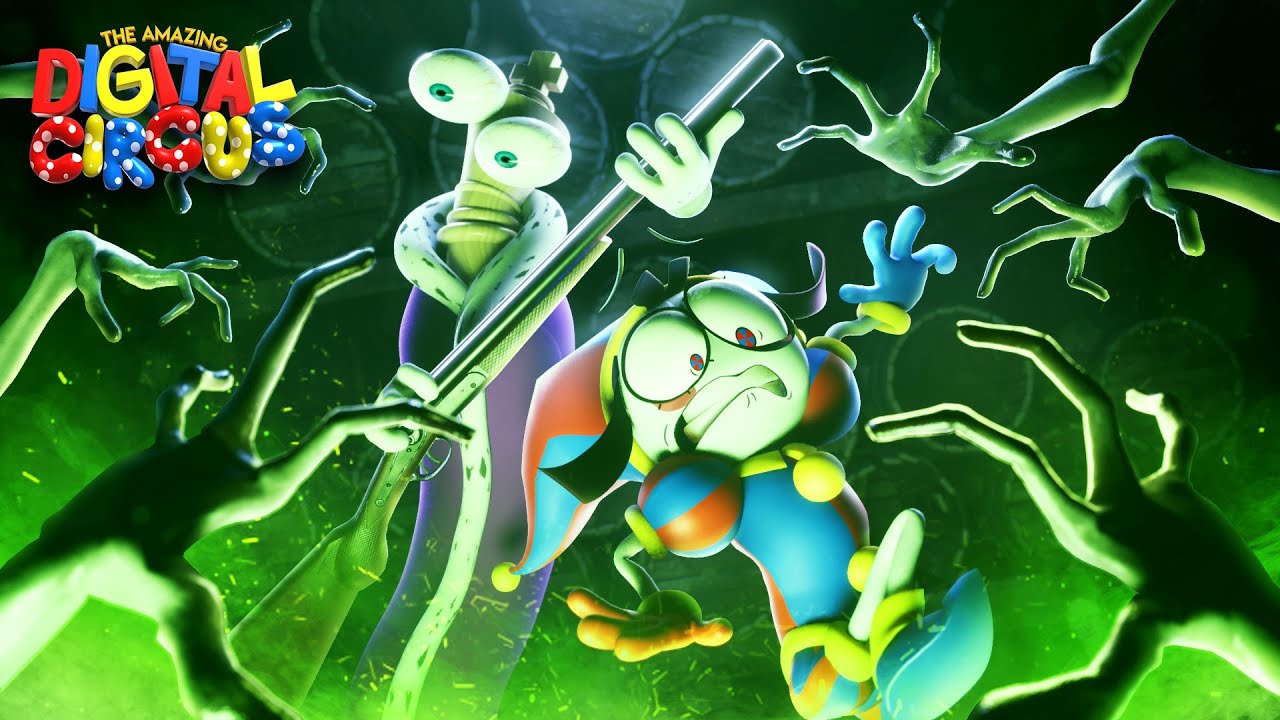
The manor route works because it changes the show's rhythm. Instead of a constant chase or a bright mission hub, Pomni and Kinger move through dim rooms, audio logs, locked mechanisms, and a creature story tied to Martha Mildenhall and her husband. The tapes gradually reveal a horror pattern: paranoia creates the very damage it was trying to prevent.

Kinger is the reason this episode matters beyond genre experimentation. In darkness, he becomes calmer, more coherent, and more emotionally useful to Pomni. That detail turns Kinger's profile on darkness, Queenie grief, and long-term survival into essential reading rather than optional lore. His fear is still funny at times, but the episode shows that it is also attached to memory.

The Queenie material gives the episode its emotional weight. Kinger remembers that after his wife abstracted, darkness made her calmer for a brief final moment. That memory is confirmed character evidence: Queenie is not just a name for theory lists, but a grief anchor that explains why Kinger can comfort Pomni in a place designed to terrify her.

Zooble's parallel story keeps the guide from becoming only a Kinger article. Caine pulls Zooble into therapy because they keep skipping his adventures, but his approach is performative and self-centered. Zooble's refusal is tied to body discomfort, exhaustion, and not being listened to. The episode makes clear that Caine's problem is not a lack of ideas; it is a lack of genuine understanding.

Pomni's growth is quieter here than in Candy Carrier Chaos, but it matters. She receives care from another frightened person and then returns with a better ability to appreciate Ragatha's support. In a series about forced performance, that kind of recognition is a real character step.

The deeper symbolic reading belongs in the Mildenhall Manor explained analysis of Kinger, darkness, and Queenie. This official guide keeps the factual route clear: the horror path reveals Kinger's grief, while the therapy path reveals why Zooble's refusal is serious character evidence.

Story and Character Analysis

How the episode moves the Circus arc forward

Horror lets Kinger become readable

The Mystery of Mildenhall Manor changes the audience's relationship to Kinger. Earlier episodes can make him seem like comic background panic, but the manor gives his fear shape, memory, and tenderness. The Kinger profile on darkness, Queenie grief, and long-term survival is the natural next stop because this episode turns him into one of the series' most important emotional witnesses.

Pomni also changes here. She learns that another frightened person can still be a guide, which is a quieter but meaningful step after the Pilot and Candy Carrier Chaos. The episode suggests that fear inside the Circus is not always noise; sometimes it is experience trying to speak.

Zooble's parallel material prevents the episode from becoming only a haunted-house story. Their refusal of Caine's adventures becomes easier to understand when the show gives more context for discomfort and forced participation. The Zooble profile on body discomfort, refusal, and Caine conflict keeps that reading connected to character evidence.

For viewers who want a more interpretive breakdown, the Mildenhall Manor explanation of Kinger's secret and the darkness motif follows how the episode uses horror language to reveal memory.

Characters in This Episode

Appearance notes and state changes

Kinger avatar

Kinger

Becomes lucid enough to turn comic fear into emotional history.

Pomni avatar

Pomni

Learns that terror can reveal care, memory, and practical guidance.

Martha Mildenhall avatar

Martha Mildenhall

Anchors the manor's ghost story and the episode's horror atmosphere.

Zooble avatar

Zooble

Their therapy-room material clarifies that refusing adventures is tied to body discomfort and exhaustion.

Caine avatar

Caine

Tries to fix participation like a feature request and misses the human reason Zooble refuses.

Canon Details

Confirmed evidence, fallout, and continuity notes

Confirmed facts

  • Kinger and Pomni explore a horror-themed manor adventure.
  • Kinger becomes more focused and emotionally available in the darker setting.
  • The episode connects Kinger to loss, memory, and Queenie context.
  • Zooble's therapy-room material gives more direct context for their refusal and body discomfort.

Character fallout

  • Kinger changes from nervous comic relief into one of the show's most important emotional witnesses.
  • Pomni receives comfort from someone who also appears deeply damaged by the Circus.
  • Zooble becomes more than the cast member who skips adventures; their discomfort becomes a real character subject.
  • Caine's attempt to address Zooble's problem reveals how poorly he understands consent and embodied discomfort.

Continuity notes

  • Darkness and lucidity should be tracked as a Kinger motif.
  • Queenie references matter for Kinger's grief timeline.
  • The manor setting shows that Caine's adventures can imitate adult horror without changing the basic prison structure.
  • Zooble's therapy scene is essential evidence for any body-theme analysis.

Key Moments and Hidden Details

Signals worth tracking on rewatch

  1. The underwater color-shift opening proves the cast can still feel danger even when they cannot die in ordinary ways.
  2. The normal door and scary door split lets the episode run comedy and mature horror in parallel.
  3. Caine's forced therapy room shows that he remembers Zooble's refusal as a design problem, not as a boundary.
  4. The manor tapes turn Mildenhall into a story about paranoia, protection, and becoming the monster one fears.
  5. Kinger's calmness in darkness links his fear to memory rather than random comic panic.
  6. The Queenie reveal gives Kinger's long-term survival a grief foundation that later episodes build on.

Audience Questions

Search questions answered by this guide

Why is Kinger different in this episode?

The episode implies that darkness or horror context helps Kinger access clarity. Whether that is a strict rule or a symbolic device, it changes how viewers should read his earlier confusion.

Is Mildenhall Manor only a scary side adventure?

No. The horror setting is the delivery mechanism, but the real value is character revelation: Kinger's grief, Pomni's trust, and Zooble's refusal all become clearer.

How does this episode help Zooble's profile?

It gives concrete context for Zooble's resistance. Their issue is not simply attitude; it is tied to body discomfort and being forced into a system that does not fit them.