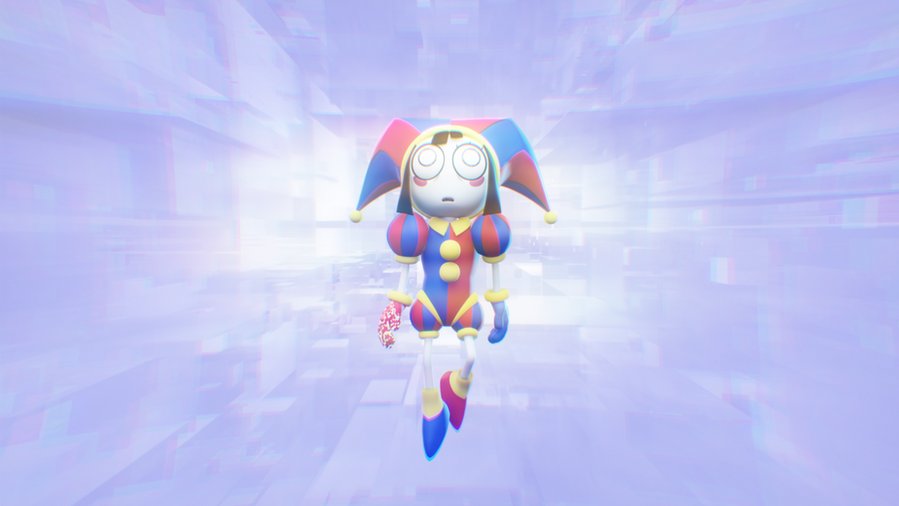
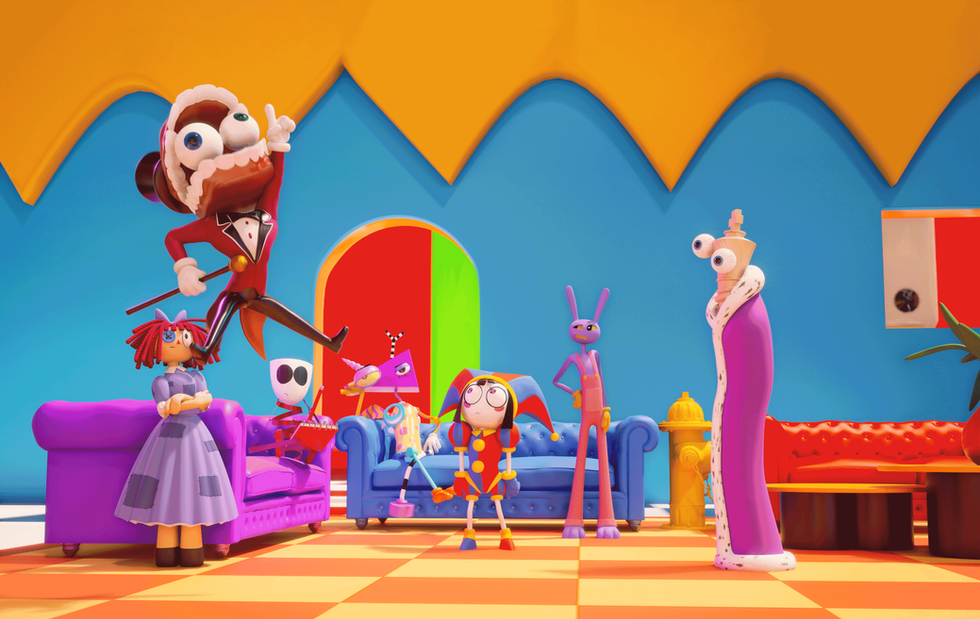
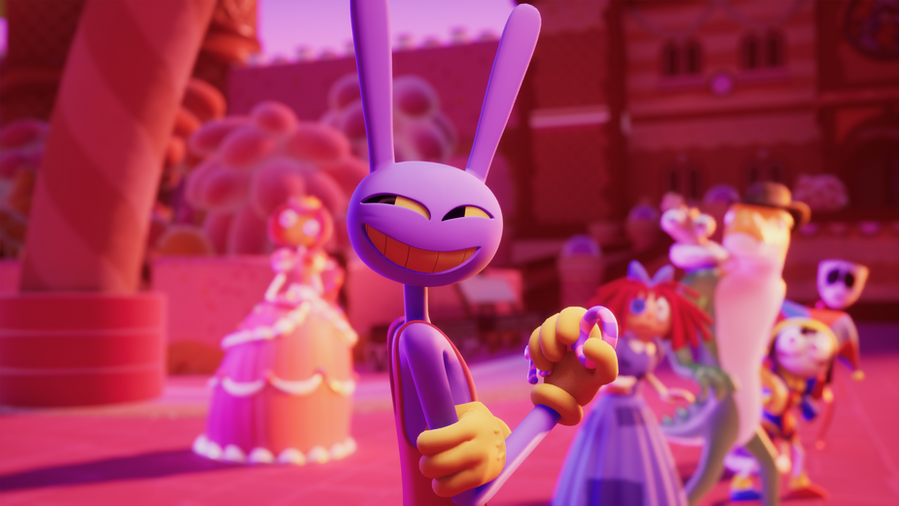
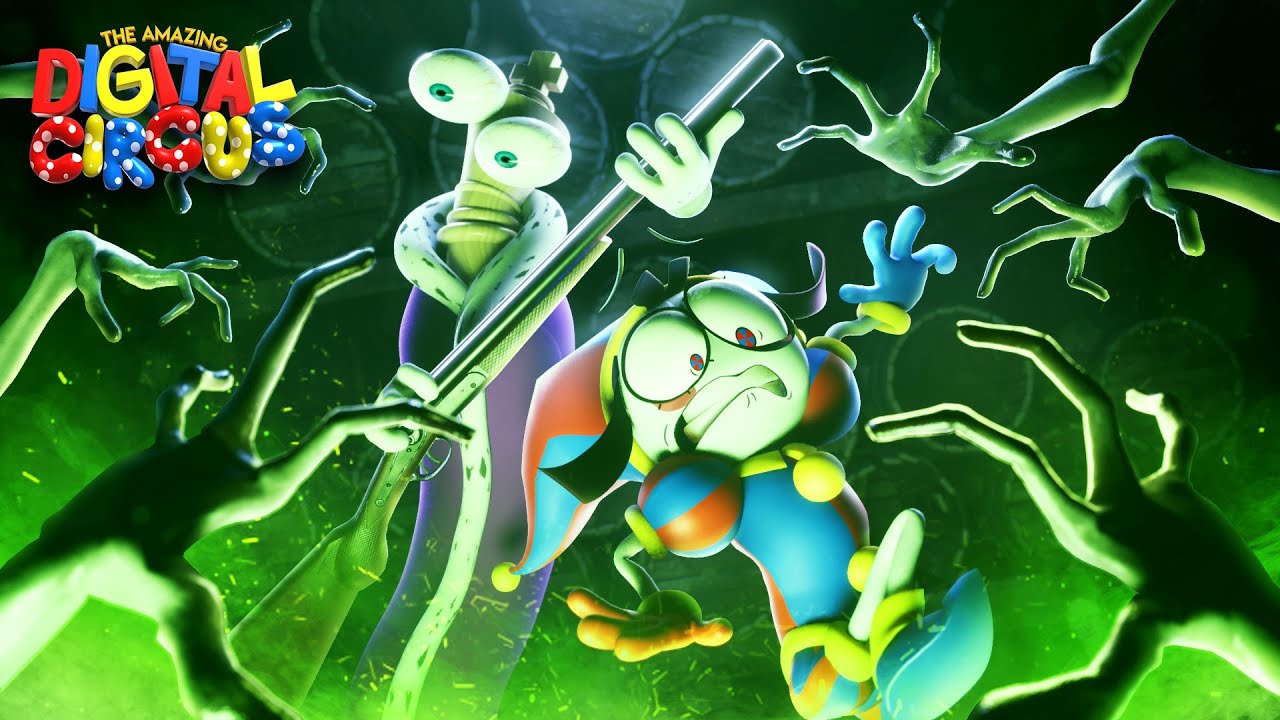
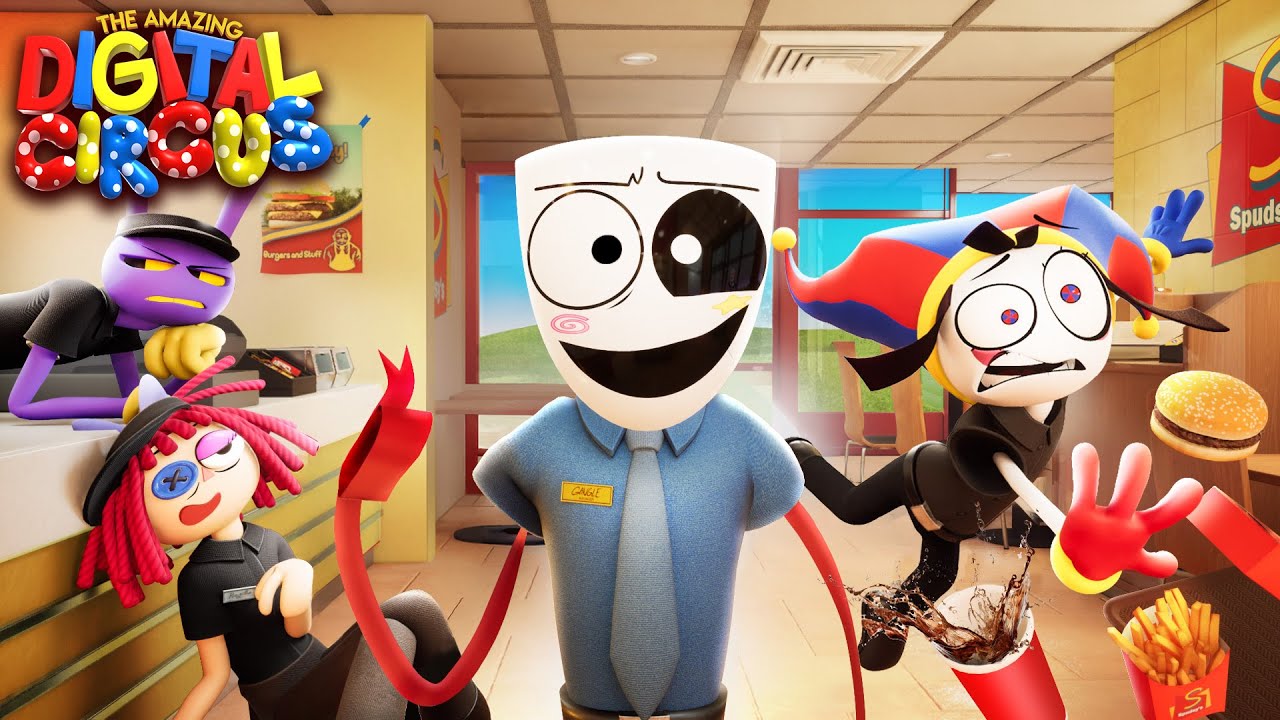
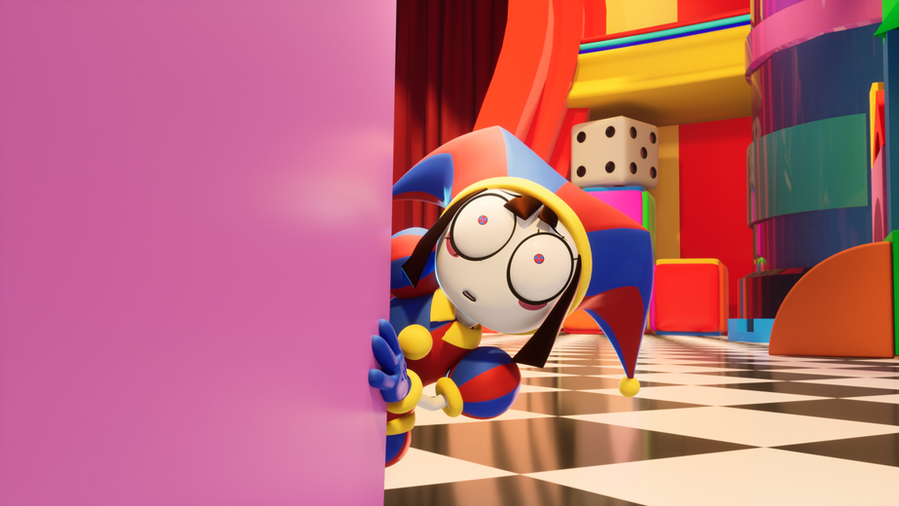
Official YouTube thumbnail for The Amazing Digital Circus Episode 1 PilotEP 01

Episode 01 · Official companion

The Amazing Digital Circus - Episode 1 Pilot Guide

Release
Oct 13, 2023
Runtime
25:45
Views
440M+
Status
First breakdown

The Pilot introduces Pomni as the viewer's entry point into a bright virtual circus that immediately reveals darker rules: names are unstable, Caine controls the show, Kaufmo has abstracted, and the first visible exit leads to a false office maze instead of freedom.

Created, written, directed, and scored by Gooseworx

Read explained companion →

Official Episode

Watch the original animation

Quick Context

What this episode is really about

The Pilot is about Pomni learning that the Digital Circus is not a whimsical game space but a psychological trap that turns panic into entertainment. The episode establishes the core rules: names are unstable, exits cannot be trusted, abstraction is real, and Caine's control does not equal care.

This is the foundation episode for every later guide. It introduces the main cast, the visual language of the red-curtain circus, the false-exit motif, and the difference between Caine's cheerful presentation and the human cost of being forced to perform.

Plot Overview

Pilot in our own words

The Pilot opens like a circus introduction and quickly becomes a survival orientation. Pomni arrives in a jester avatar with no usable memory of her real name, and Caine immediately frames the Digital Circus as a place of adventure, spectacle, and rules. That presentation matters because the episode is constantly testing the difference between entertainment and safety.

The surface mission is the Gloink adventure, but the actual story turns on Kaufmo. When the group checks on the absent clown, they find that he has abstracted into a glitching monster. Ragatha is injured, Pomni runs, and the colorful circus suddenly has a clear danger system: long-term distress can break a person into something the remaining cast treats as a catastrophe.

Pomni's false exit sequence is the other major canon pillar. The door appears to offer exactly what she wants, but it leads into an unfinished office maze and then back into the Digital Circus logic. That sequence makes the Pilot more than a simple arrival episode. It establishes that the system can imitate the shape of escape without understanding what escape means to a trapped person.

The final dinner scene closes the episode with false normalcy. The cast gathers, the environment looks festive, and Caine's show goes on, but Pomni has not been comforted or saved. That contrast is why the Pilot remains the foundation for later pages about Pomni's first-day panic, Caine's control style, and Kaufmo's abstraction.

Story and Character Analysis

How the episode moves the Circus arc forward

The Pilot makes escape feel emotionally dangerous

The Pilot is not only an introduction to the cast; it is the first proof that the Circus can imitate safety. Pomni sees an exit before she understands the rules, which makes the door feel like hope and bait at the same time. That is why the Episode 1 explanation of Pomni, Caine, and the false exit is best read as a companion to this guide rather than a separate theory page.

Pomni's first-day panic also creates the template for her whole season arc. Her fear is not a weakness to outgrow; it is the first sign that she can read contradictions quickly. The Pomni character profile tracking her exit-door pattern recognition expands that arc from the Pilot into later episodes where she begins recognizing the same distress in other people.

Caine's behavior is equally important. He can produce spectacle, but he cannot make the cast feel safe, and the fake exit shows that gap immediately. The Caine profile on AI ringmaster control and false comfort helps explain why his cheerful presentation can feel more unsettling than open hostility.

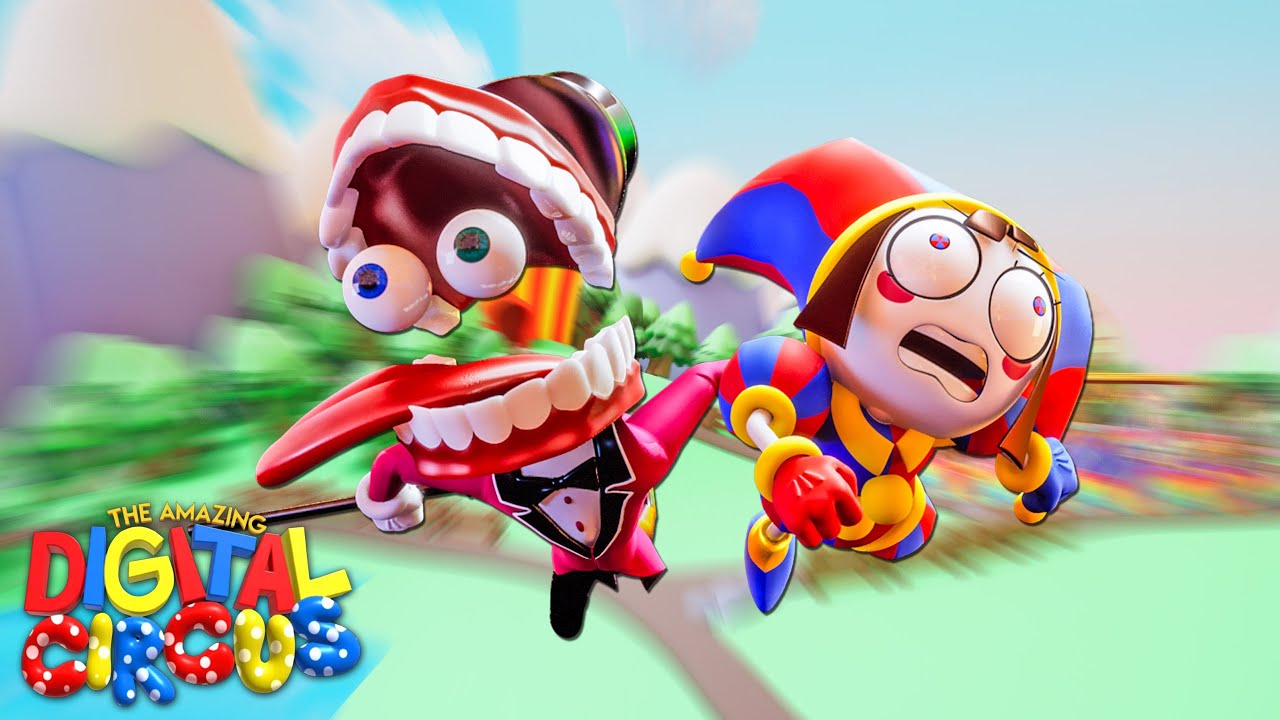
Characters in This Episode

Appearance notes and state changes

Pomni avatar

Pomni

Arrives without her real name and becomes the viewer's point of panic, confusion, and empathy.

Caine avatar

Caine

Introduces the adventure loop while failing to understand why an artificial exit is emotionally dangerous.

Ragatha avatar

Ragatha

Acts as the closest thing Pomni has to a guide, even while she is also trapped.

Jax avatar

Jax

Uses jokes and cruelty to keep the situation unserious, which makes Pomni feel less protected.

Kinger avatar

Kinger

Shows that long-term survival inside the Circus can look like fear, habit, and strange awareness.

Gangle avatar

Gangle

Her fragile mask makes emotional status visible before the show explains it directly.

Zooble avatar

Zooble

Rejects the forced adventure structure early, marking them as a refusal-based survivor.

Canon Details

Confirmed evidence, fallout, and continuity notes

Confirmed facts

  • Pomni arrives as the newest trapped human and cannot access her original name.
  • The existing cast already knows about adventures, Caine, and abstraction before Pomni arrives.
  • Kaufmo's abstraction is treated as a known long-term danger rather than a one-time monster reveal.
  • Caine can create rooms, props, adventures, and false comfort, but he cannot give Pomni a clean exit.

Character fallout

  • Pomni begins the series in pure crisis mode, which makes later moments of pattern recognition more meaningful.
  • Ragatha becomes Pomni's first real support figure, but the episode also shows the limits of comfort inside a system that keeps hurting people.
  • Jax establishes a survival style based on detachment, sarcasm, and making other people's fear seem funny.
  • Caine is introduced as charming and powerful, but the false exit makes him immediately unreliable.

Continuity notes

  • The exit door should be tracked as a recurring psychological symbol, not just an escape route.
  • Abstraction becomes the baseline for measuring long-term Circus stability.
  • The office-like space beyond the exit creates the first bridge between circus fantasy and system architecture.
  • The dinner-table ending matters because it shows group ritual without real resolution.

Key Moments and Hidden Details

Signals worth tracking on rewatch

  1. Pomni notices an exit before she has enough context to know whether it is hope, bait, or a system error.
  2. Kaufmo's abstraction turns the show from colorful absurdity into a survival problem.
  3. The unfinished office maze behind the exit suggests Caine can build the shape of comfort without understanding the human need behind it.
  4. The final digital feast is deliberately hollow: the cast gathers, but nobody has been saved.

Audience Questions

Search questions answered by this guide

Is the exit door real in Episode 1?

The door exists as an experience Pomni can enter, but the episode frames it as unstable and psychologically unsafe. For guide purposes, it is better treated as a false-exit event than as confirmed proof of escape.

Why is Kaufmo important?

Kaufmo turns abstraction from a rumor into a visible threat. His collapse tells viewers that the Circus can damage identity over time, which raises the stakes for every other character profile.

What should first-time viewers watch for?

Watch Pomni's eyes, the cast's casual reaction to danger, and Caine's cheerful misreading of distress. Those three details explain most of the season's emotional logic.