
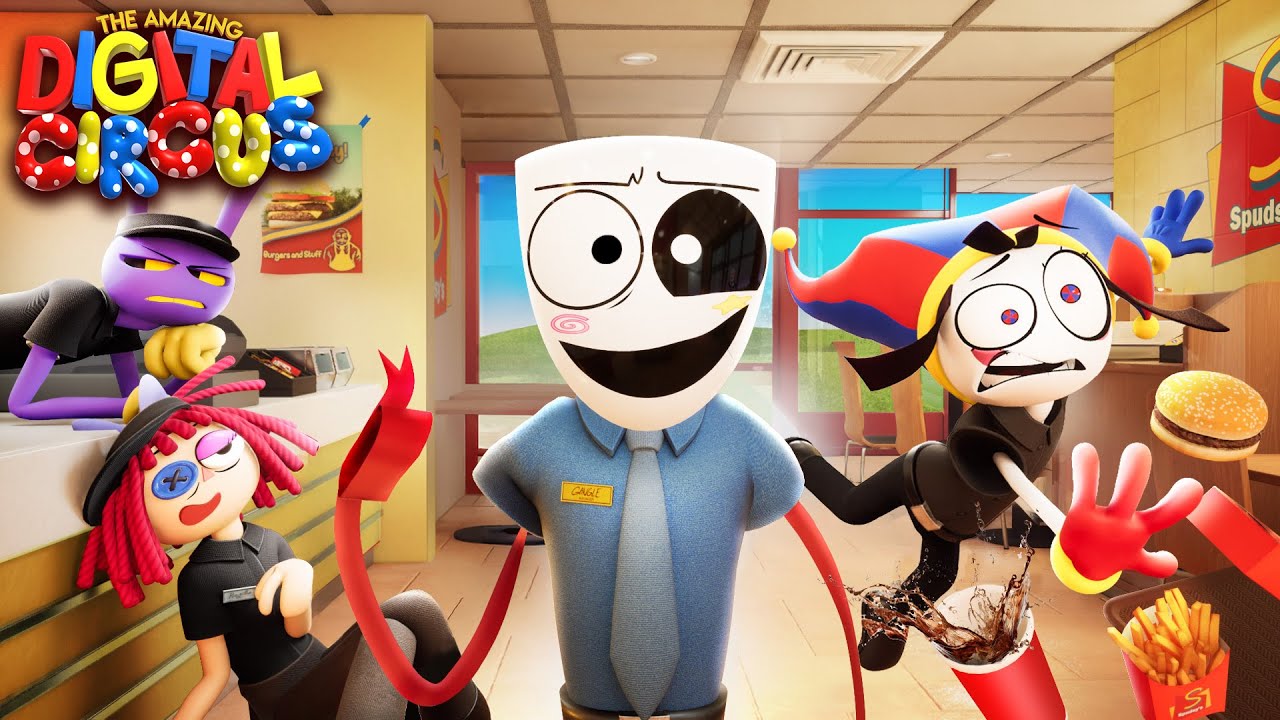
Gangle-focused Fast Food Masquerade official episode thumbnailGangle

Ribbon-and-mask avatar

The Amazing Digital Circus - Gangle Character Profile

Gangle is one of the clearest examples of the show making emotion visible. Her mask is not just a joke device; it is a status system. A good profile tracks which episodes show her being pressured, supported, ignored, or forced into a role.

First appearance
Episode 1: Pilot
Voice actor
Marissa Lenti
Current status
Emotionally exposed but more supported
Stability
Mask-dependent
Read related explained essay →

Gangle's clearest episode context is Fast Food Masquerade, where her mask stops being a small visual joke and becomes the main way the episode talks about emotional performance. Her earlier appearance in the Pilot is still useful because the fragile mask language is introduced before the show explains it directly.

For deeper reading, use the Fast Food Masquerade explained video on Gangle's mask and workplace pressure. That analysis connects her comedy/tragedy mask system to forced cheer, public stress, and the difference between looking functional and being okay.

first AppearanceEpisode 1: Pilot
voice ActorMarissa Lenti
avatar TypeRibbon-and-mask avatar
key SymbolComedy and tragedy masks
signature ItemFragile mask
color MotifRed, white, soft pink
current StatusEmotionally exposed but more supported
circus StabilityMask-dependent
known RelationshipsJax, Ragatha, Zooble, Pomni

Canonical facts

Confirmed in the show

  • Gangle's emotional presentation is tied to her masks.
  • Her mask can be broken or replaced, changing how she behaves and how others respond to her.
  • Fast Food Masquerade gives her the clearest episode focus and connects her to workplace pressure.
  • Other characters, especially Jax and Zooble, strongly affect how safe she feels.

Editorial analysis

Our reading

Gangle is one of the clearest examples of the show making emotion visible. Her mask is not just a joke device; it is a status system. A good profile tracks which episodes show her being pressured, supported, ignored, or forced into a role.

Fan theory

Speculation, clearly marked

Fan theories often treat the masks as a direct identity-regulation mechanic inside the Circus. That is a useful theory lens, but it should not replace the confirmed fact that the show uses the masks to externalize mood.

Character reading notes

Why Gangle matters to the story

Gangle's design makes emotional state visible. Her comedy and tragedy mask idea gives the profile a natural structure: what the show confirms about the masks, how other characters affect them, and what the masks imply about emotional performance.

Fast Food Masquerade is the key episode for Gangle because it turns workplace pressure, forced cheer, and public performance into the center of her story. Her relationships with Jax and Zooble show two very different ways other people can shape her stability.

The useful question is not only whether Gangle is sad or happy. The better question is how much of her identity depends on being allowed to show the right emotion at the right time, which makes her central to character analysis, mask symbolism, and episode-by-episode emotional timeline searches.

Episode appearance timeline

Gangle's story beats

  1. Episode 1: Mask fragility is introduced as a running emotional signal.
  2. Episode 4: Fast Food Masquerade centers her workplace pressure and identity strain.
  3. Episode 6: Zooble's support gives Gangle a different relationship dynamic under stress.

Relationships

How this profile connects to the cast

  • Jax: repeated emotional pressure and harm.
  • Zooble: more protective and validating in later episodes.
  • Ragatha: sympathetic group connection.
  • Pomni: shared vulnerability inside forced performance.